




Medical SEO for Doctors: Step-by-Step Case Study — Zero Visibility to #1 Google Maps Position

📋Table of Contents:
- Why Medical SEO is 10x Harder (and More Rewarding) Than Standard SEO
- The Initial Audit: 7 Critical Problems We Found
- Month 1: Technical Foundation and E-E-A-T Architecture
- Month 2: Content Engine and Local Authority Building
- Month 3: Digital PR, Backlink Acquisition, and Review Velocity
- The Results: 90-Day Before/After with Real Metrics
- Replicating This Strategy: The 90-Day Medical SEO Playbook
- Comparative Data & Practice Metrics
- Frequently Asked Questions
Why Medical SEO is 10x Harder (and More Rewarding) Than Standard SEO
The barrier to entry for ranking a medical website is intentionally astronomically high. Google's core updates consistently refine how medical information is evaluated, heavily favoring established institutions like Mayo Clinic or WebMD for broad queries. However, for localized transactional queries (e.g., 'orthopedic surgeon near me' or 'ACL repair specialist Chicago'), independent clinics have a massive opportunity if they can prove their hyper-local authority and clinical expertise.
Medical SEO requires proving E-E-A-T at a granular level. The algorithm looks for verified medical credentials, authoritative authorship on all content, peer-reviewed citations, and robust local trust signals through patient reviews and localized healthcare directories. A single claim made without proper medical citation or by an unverified author can sink a site's credibility in the eyes of the search crawler.
Despite these hurdles, the reward for achieving top rankings is disproportionately high. Healthcare holds some of the highest Customer Lifetime Values (LTV) of any industry. Securing the top organic position for high-intent surgical keywords means acquiring patients with zero ongoing Cost Per Click (CPC). For our case study client, replacing their $12,000 monthly Google Ads spend with organic dominance radically transformed their profit margins, proving that medical SEO is a foundational business asset, not just a marketing tactic.
The Initial Audit: 7 Critical Problems We Found
When the specialty surgical clinic approached us, their website was receiving less than 50 organic visitors a month, resulting in zero digital patient acquisition. Our initial technical and content audit revealed seven catastrophic SEO failures that were actively suppressing their rankings. First, the site suffered from severe keyword cannibalization; multiple pages targeted 'surgery' generically without specifying the procedures, confusing Google's crawlers.
Second, the mobile Core Web Vitals were failing across the board, with an LCP (Largest Contentful Paint) of 4.2 seconds—well above the 2.5-second threshold. Third, there was absolutely no schema markup present. Google had no machine-readable data confirming the doctors' credentials, the clinic's exact coordinates, or their accepted insurances. Fourth, their Google Business Profile was claimed but completely unoptimized, lacking specific categories, services, and regular updates.
The remaining issues included a toxic backlink profile full of low-quality spam directories, thin content pages (under 300 words) describing complex surgical procedures, and a total lack of structured internal linking. The site was an isolated digital island with no authority, no trust signals, and poor user experience. Rectifying these foundational issues was the prerequisite before any growth strategies could be implemented.
Month 1: Technical Foundation and E-E-A-T Architecture
Month one was entirely dedicated to technical stabilization and establishing absolute medical authority (E-E-A-T) in the site's code and architecture. We began by migrating the site to a high-performance Next.js framework, crushing load times down to a 0.8-second LCP. We resolved all duplicate content issues through canonical tags and consolidated thin pages into comprehensive, authoritative pillars.
We then deployed a highly complex local and medical schema architecture. We utilized `MedicalOrganization`, `Physician`, and `MedicalProcedure` JSON-LD schemas. This allowed us to hardcode the surgeons' NPI numbers, medical school affiliations, board certifications, and specific treatments directly into the site's source code, serving Google undeniable proof of their expertise.
Finally, we overhauled the author bio pages. Each surgeon received a dedicated, hyper-detailed biography page linking out to their published research, PubMed articles, and medical association profiles. Every piece of medical content on the site was linked to these author profiles, explicitly demonstrating to Google that the information was written and verified by board-certified specialists.
Month 2: Content Engine and Local Authority Building
With the technical foundation flawless, month two focused on aggressive content expansion and local authority signals. We launched procedure-specific landing pages for every variation of the clinic's core surgical offerings. These pages were not brief summaries; they were 1,500+ word comprehensive guides covering symptoms, surgical techniques, recovery timelines, and risks, entirely optimized for natural language processing (NLP) and semantic search.
Simultaneously, we executed a rigorous local citation cleanup and expansion campaign. We ensured the clinic's Name, Address, and Phone number (NAP) were perfectly consistent across the top 50 healthcare and local directories (Healthgrades, Vitals, WebMD, Yelp). Inconsistencies as small as 'Ste.' vs 'Suite' were corrected, establishing a unified local footprint.
To dominate the Google Maps 3-Pack, we implemented an automated, HIPAA-compliant patient review generation system. Post-discharge, patients received timed SMS requests asking them to rate their experience. This strategy increased their review velocity from 1 review per month to 15 reviews per month. Crucially, the clinic staff was trained to respond to every review utilizing specific local and procedural keywords, further boosting relevance.
Month 3: Digital PR, Backlink Acquisition, and Review Velocity
Month three was dedicated to off-page authority: proving to Google that other trusted entities vouched for our client. In the medical space, acquiring high-quality backlinks is exceptionally difficult, as you cannot simply buy links without risking severe penalties. We utilized a Digital PR strategy, leveraging the lead surgeon's expertise to provide commentary on emerging surgical techniques to medical journals and local news outlets.
We secured editorial links from high-Domain Authority (DA) health publications and local university alumni pages. We also implemented a 'shoulder niche' outreach strategy, establishing digital referral partnerships with local physical therapists and chiropractors. By having these allied health professionals link to our client's specialized procedure pages, we built a highly relevant, localized backlink profile.
As the backlinks began to index and the review velocity maintained its steady upward trajectory, the algorithmic momentum reached a tipping point. The combination of perfect technical SEO, comprehensive E-E-A-T content, and high-trust external validation triggered a massive ranking surge. The clinic began appearing not just for direct searches, but for complex, long-tail informational queries.
The Results: 90-Day Before/After with Real Metrics
At the exact 90-day mark, the quantitative transformation was staggering. Organic website traffic had scaled from 48 visitors per month to 1,850 highly targeted, local visitors. More importantly, the clinic captured the #1 organic position for their primary keyword, and secured the dominant #1 spot in the Google Maps 3-Pack across a 15-mile radius from their physical location.
The conversion metrics validated the entire strategy. Form submissions and tracked phone calls increased by 420%. Because the traffic was highly intent-driven—users actively searching for specific surgical solutions—the lead-to-consultation close rate was phenomenal. The clinic booked 42 new surgical consultations directly attributed to organic search in month three.
Financially, this allowed the clinic to pause $12,000 in monthly Google Ads spend that was previously yielding lower-quality leads. The organic patient acquisition cost effectively dropped to a fraction of their historical PPC metrics. This case study definitively proves that while Medical SEO requires a monumental front-end effort, the compounding ROI is the most powerful growth lever available to a medical practice.
Replicating This Strategy: The 90-Day Medical SEO Playbook
To replicate these results, clinics must adopt a ruthless, process-driven approach. You cannot skip steps; technical perfection must precede content creation, and content must precede link building. Start by running a comprehensive audit utilizing tools like Ahrefs and Screaming Frog. Fix every single 404 error, redirect chain, and site speed bottleneck. Implement robust schema markup immediately.
Next, audit your content through the lens of a medical board. Is it accurate? Is the author clearly a recognized expert? Does it comprehensively answer the user's query better than the top 3 ranking competitors? Build out your core procedure pages with uncompromising depth and quality.
Finally, control what you can control off-page: your GBP profile and your review pipeline. Treat patient reviews as digital currency. Automate the ask, monitor the sentiment, and respond religiously. If a clinic commits to this 90-day blueprint with discipline, dominating the local search market is not a matter of if, but when.
🖼️Clinical Visual Assets & Case Gallery:
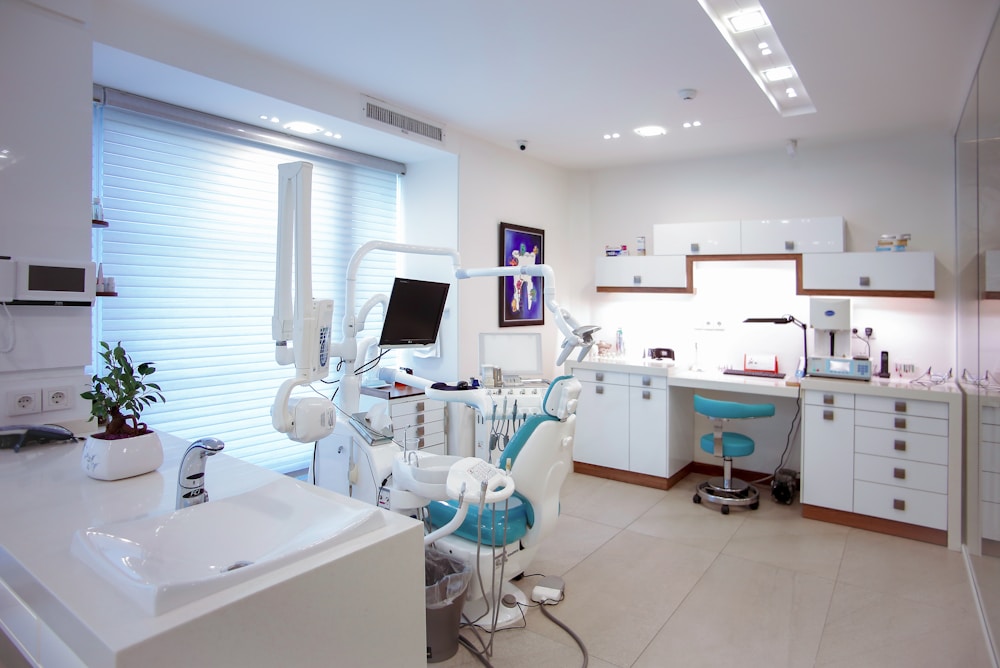

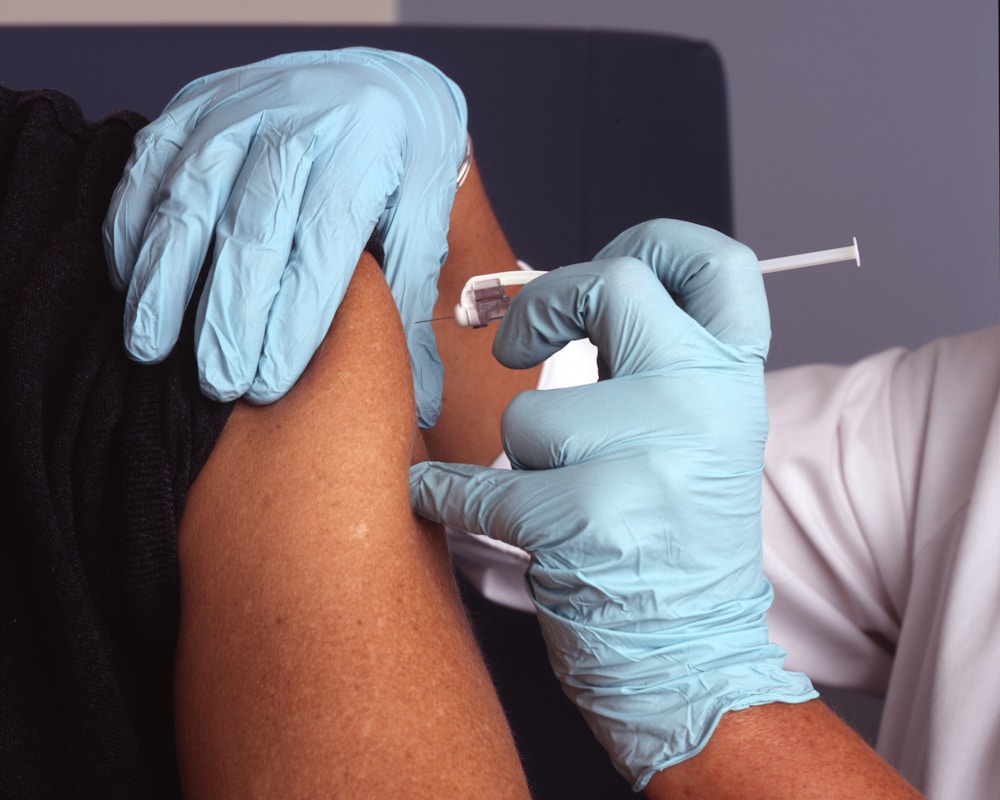

Before vs After Metrics (90-day comparison)
| Metric | Day 1 (Baseline) | Day 90 (Result) | Percentage Growth |
|---|---|---|---|
| Monthly Organic Traffic | 48 | 1,850 | +3,754% |
| Total Ranking Keywords | 12 | 345 | +2,775% |
| Top 3 Google Maps Positions | 0 | 14 (Across region) | Infinite |
| Monthly Booked Consultations | 8 | 42 | +425% |
Medical SEO Ranking Factors and Weights
| Ranking Factor Category | Impact Level | Specific Focus Area | Implementation Difficulty |
|---|---|---|---|
| Google Business Profile & Reviews | Very High (35%) | Category accuracy, review velocity, proximity | Medium |
| On-Page Content & E-E-A-T | Very High (30%) | Expert authorship, NLP optimization, schema | High |
| Backlink Profile (Off-Page) | High (20%) | Local PR, medical directory citations, editorial links | Very High |
| Technical UX & Core Web Vitals | Medium (15%) | Mobile speed, clear architecture, SSL/Security | High |
Month-by-Month Action Plan Template
| Phase | Primary Objective | Key Deliverables | Expected Algorithmic Response |
|---|---|---|---|
| Month 1: Technical & Foundation | Fix critical errors & establish architecture | Site speed optimization, Schema deployment, UI/UX audit | Improved crawling, resolution of penalties |
| Month 2: Content & Relevancy | Prove E-E-A-T and topical authority | Pillar page creation, author bios, GBP optimization | Ranking for long-tail keywords, initial Maps movement |
| Month 3: Authority & Trust | Build external signals and local dominance | Review automation, digital PR, citation building | Top 3 Maps rankings, surge in core keyword visibility |
Related Services & Recommended Guides:
Frequently Asked Questions
How long does Medical SEO actually take to show results?
For established clinics with existing websites, significant movement can be seen in 90 days following technical overhauls and content updates. However, for brand new domains, building sufficient E-E-A-T to rank for competitive medical terms typically requires 6 to 9 months of consistent, high-quality optimization.
What is E-E-A-T and why is it critical for healthcare SEO?
E-E-A-T stands for Experience, Expertise, Authoritativeness, and Trustworthiness. Because healthcare falls under Google's 'Your Money or Your Life' (YMYL) guidelines, the algorithm aggressively filters out unverified medical content. Demonstrating E-E-A-T through author credentials and authoritative backlinks is mandatory to rank.
Should we focus more on Google Maps or organic website rankings?
They are completely symbiotic, but Google Maps (Local SEO) should be the priority for local clinics, as it drives the majority of high-intent, immediate calls. Your organic website strength directly influences your Maps ranking, so both must be optimized simultaneously for maximum visibility.
Is it safe to buy backlinks for a medical clinic website?
Absolutely not. Buying low-quality backlinks is the fastest way to trigger a manual Google penalty, devastating your online presence. Medical link building must be earned through digital PR, legitimate healthcare directories, and high-quality editorial placements.
Why do we need procedure-specific landing pages?
Patients search for solutions to specific problems (e.g., 'Rhinoplasty surgeon' not just 'plastic surgeon'). Procedure-specific pages match this exact search intent, providing higher relevance to Google and resulting in vastly superior conversion rates compared to routing all traffic to a generic homepage.