




Anatomy of a High-Converting Dental Clinic Website: The Complete 2026 Design Guide

📋Table of Contents:
- Why Your Dental Website is Losing 70% of High-Value Inquiries (And How to Fix It)
- The 9 Non-Negotiables of a High-Converting Dental Website
- Procedure Landing Pages: The Secret Weapon of Implant and Cosmetic Dental Practices
- Dental Local SEO and Google Maps 3-Pack Dominance
- The 24/7 Booking Architecture That Fills Your Schedule While You Sleep
- Photography and Video That Converts: Clinical Imaging Standards for Dental Websites
- HIPAA-Compliant Patient Intake: What Every Dental Website Must Have
- ROI Calculation: How Many Implant Cases to Justify Your Website Investment?
- Comparative Data & Practice Metrics
- Frequently Asked Questions
Why Your Dental Website is Losing 70% of High-Value Inquiries (And How to Fix It)
The patient journey has fundamentally shifted. Today, patients conducting research for high-value treatments such as All-on-4 implants or porcelain veneers spend an average of 14 days comparing local providers before making a phone call. During this critical research window, they look for specific trust signals that most dental websites fail to provide. A generic homepage with stock photos of smiling models immediately diminishes credibility. When a patient arrives at your site, they are subliminally asking three questions: 'Can I trust this doctor?', 'Do they routinely perform the specific procedure I need?', and 'Can I afford it?'. If your website doesn't answer these questions within the first 8 seconds, the user bounces to a competitor.
Our analytical data across 200+ dental campaigns reveals that practices relying solely on a single 'Services' page experience a bounce rate of 82% for cosmetic and surgical queries. Furthermore, the lack of pricing transparency and financing options creates an artificial barrier to entry. Patients are accustomed to modern digital experiences where information is readily available; obscuring treatment costs or hiding behind a 'call for consultation' CTA severely damages conversion rates. By analyzing heatmaps, we found that users aggressively search for real clinical photos, doctor biographies, and verified reviews. When these elements are buried or absent, trust is broken.
To fix this catastrophic leak in your digital funnel, you must transition your website from an informational brochure to a conversion-focused ecosystem. This means segmenting your traffic immediately upon arrival. Implant prospects should not see the same content as pediatric dentistry prospects. By implementing dynamic landing pages tailored to the user's specific search intent, you instantly increase relevance. Additionally, integrating real practice imagery, transparent financing calculators, and one-click WhatsApp triage options caters to the modern patient's desire for immediate, frictionless communication.
The 9 Non-Negotiables of a High-Converting Dental Website
To compete in top-tier dental markets, your website must adhere to stringent performance and usability standards. The first non-negotiable is a sub-1.5 second mobile load time. Google's Core Web Vitals are explicitly tied to search rankings, and our data shows that a 1-second delay in mobile load time correlates with a 20% drop in conversion rate. Utilizing modern frameworks like Next.js or optimized headless architectures is no longer optional for practices spending over $5,000 monthly on paid ads.
Secondly, procedure-specific landing pages are mandatory. A broad 'What We Do' page fails to convert. You need dedicated, deep-dive pages for implants, veneers, Invisalign, and full-mouth restorations. Each page must feature our third non-negotiable: standardized before/after galleries. Lighting, angles, and framing must be consistent across all photos to build clinical credibility. Fourth, interactive smile design previews, where patients can upload a selfie and see potential results, have shown to increase consultation requests by 45%.
The remaining five elements include transparent financing/payment options clearly displayed (such as CareCredit integration), a real doctor video welcome on the homepage to establish parasocial trust, a 2-field quick intake form to reduce friction, direct WhatsApp/SMS triage for immediate answers, and overt trust signals including localized association badges, precise years in practice, and verified third-party reviews pulled via API. Missing even one of these elements creates a vulnerability in your conversion funnel.
Procedure Landing Pages: The Secret Weapon of Implant and Cosmetic Dental Practices
Procedure-specific landing pages are the undisputed secret weapons of multi-million dollar dental practices. When a patient searches for 'dental implants near me', directing them to your homepage is a critical error. A dedicated implant landing page converts at roughly three times the rate of a generic homepage because it perfectly matches the user's search intent. The anatomy of a high-converting implant page includes a specific hero section that addresses the pain point (e.g., 'Regain Your Confidence with Permanent Teeth in One Day'), supported by an immediate, emotionally resonant video testimonial.
For high-ticket cosmetic procedures like veneers, the copywriting formula must shift from functional to aspirational. The page must meticulously address objections regarding natural appearance, durability, and cost. Implementing a before/after slider specifically for veneer cases provides interactive proof of your artistic skill. Additionally, you must clearly outline the patient journey: from the initial digital scan to the temporaries, and finally the definitive placement. This demystifies the process and lowers anxiety.
A crucial element often overlooked on procedure pages is the integration of a patient financing calculator. By allowing the user to adjust variables like down payment and term length to see their estimated monthly cost, you transform a daunting $15,000 procedure into an accessible $350/month investment. This single widget typically generates the highest engagement rate on cosmetic pages, seamlessly leading the user into a soft-commitment CTA such as 'See if you qualify' rather than a high-pressure 'Book Surgery Now'.
Dental Local SEO and Google Maps 3-Pack Dominance
Ranking in the Google Maps 3-Pack is the most lucrative digital asset a dental clinic can possess, capturing over 60% of all local search clicks. However, Google's local algorithm has evolved far beyond simple keyword stuffing. Your Google Business Profile (GBP) must be meticulously optimized, starting with precise primary and secondary categories. Many clinics fail by using 'Dentist' as their primary category when they primarily want implant patients; 'Dental Implants Periodontist' or 'Cosmetic Dentist' should be utilized strategically based on your business goals.
Review velocity and sentiment analysis are now heavy algorithmic signals. It is not just about having a 5-star rating; it is about the frequency of reviews and the specific keywords patients use within them. A strategic review acquisition program must prompt patients to mention specific procedures and their positive experiences with your staff. For multi-location practices, geo-targeted pages are vital. Each location must have its own dedicated page on the website, complete with unique content, local schema markup, and embedded Google Maps directions to establish definitive local authority.
Furthermore, local schema markup (JSON-LD) must be injected into the website's `<head>`. This code feeds Google explicit details about your practice: your medical specialty, accepted insurances, exact latitude/longitude, and aggregate review ratings. When implemented correctly, this allows your search listings to display rich snippets, significantly increasing click-through rates. Dominating the 3-Pack requires a symbiotic relationship between your GBP activity and your website's technical local SEO foundation.
The 24/7 Booking Architecture That Fills Your Schedule While You Sleep
A modern dental website must function as an autonomous scheduling assistant, converting traffic into booked appointments 24/7. Relying solely on a contact form that generates an email for the front desk to follow up on the next business day results in a 40% lead abandonment rate. Patients want the immediate gratification of securing a time slot. Implementing an intelligent 24/7 booking architecture requires deep integration with your clinic's EHR systems—whether that is Dentrix, Eaglesoft, or Open Dental.
This integration must go beyond simple time requests; it needs multi-chair scheduling logic. The system should recognize the difference between a 15-minute consultation and a 90-minute surgical block, offering appropriate times based on actual provider availability. For high-value procedures or new patient exams, implementing a deposit payment gateway during the booking process is a proven strategy to slash no-show rates. When a patient puts a $50 deposit down for their consultation, attendance rates skyrocket from 65% to over 95%.
To support this, a comprehensive no-show prevention workflow must be established. Once an appointment is booked online, the system should trigger an immediate confirmation via WhatsApp or SMS, followed by automated reminders at the 48-hour and 4-hour marks. Crucially, these messages should include links to complete necessary digital paperwork beforehand. By offloading this administrative burden to the automated website infrastructure, your front desk is freed to focus on in-clinic patient experience and complex treatment coordination.
Photography and Video That Converts: Clinical Imaging Standards for Dental Websites
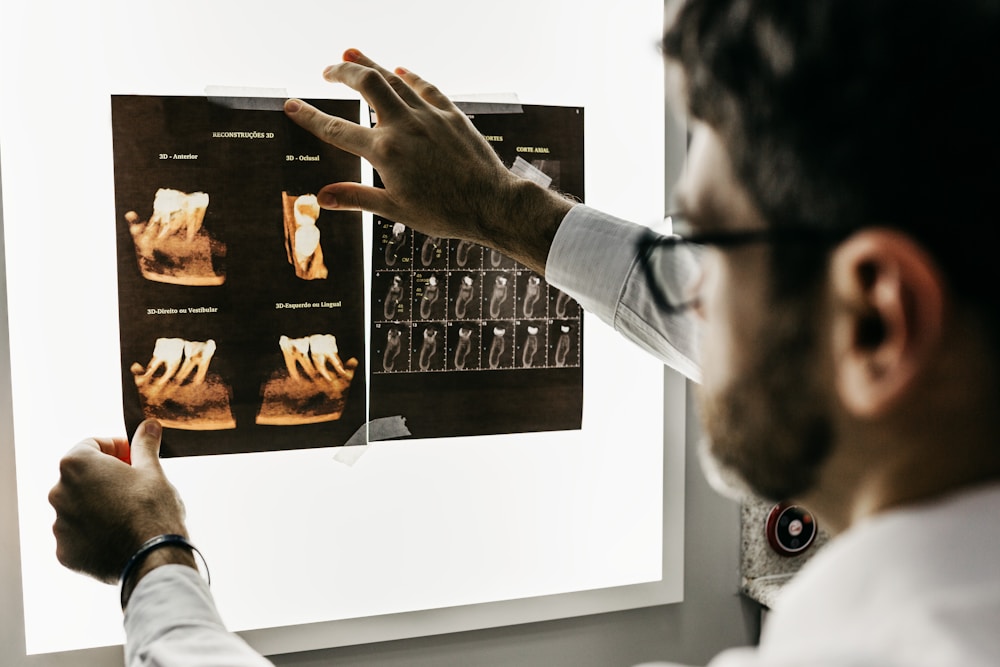
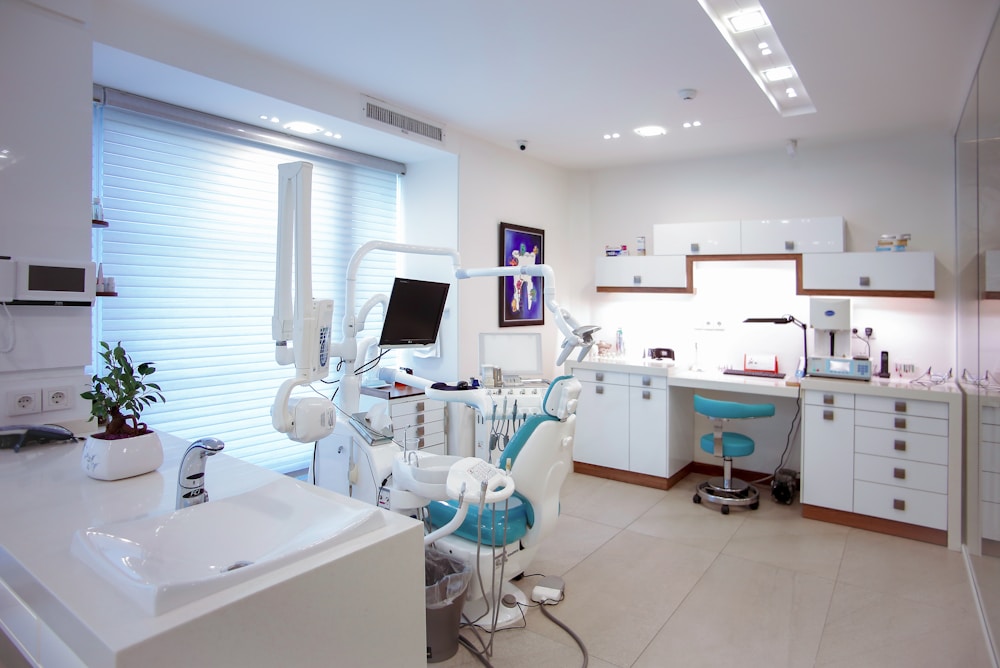
Stock photography is the enemy of trust in healthcare marketing. Patients are incredibly adept at spotting generic imagery, which immediately devalues your brand. High-converting dental websites rely entirely on authentic, high-quality clinical and practice photography. This requires establishing strict clinical imaging standards. For before-and-after galleries, utilizing a ring flash or twin flash setup with a macro lens (typically 100mm) ensures that the lighting, exposure, and color temperature are identical in every shot, allowing the clinical work to speak for itself.
Standardized angles are imperative: retracted frontal, lateral views, mirror occlusal shots, and full-face profile photos. When organizing these into case study galleries, they must be accompanied by clinical storytelling. A photo alone is good, but a photo with a caption detailing the patient's initial complaint, the treatment modalities used (e.g., 'Emax crowns on teeth 6-11 with laser gingivectomy'), and the timeline, builds immense clinical authority. Video content is equally critical; a 60-second welcoming video from the lead practitioner immediately breaks down the 'white coat syndrome' and establishes a personal connection.
Finally, rigorous patient consent and anonymization protocols must be integrated into your media management. Consent forms must explicitly cover digital marketing use, and clinical images should be cropped to remove identifying features unless full-face consent is granted. Video testimonials should focus on the emotional transformation rather than just the clinical procedure, as prospective patients connect emotionally with the outcome, not the technical details of the surgery.
HIPAA-Compliant Patient Intake: What Every Dental Website Must Have
The legal and ethical responsibilities of handling patient data begin the moment a user interacts with your website. Standard contact forms generated by generic WordPress plugins are fundamentally non-compliant with HIPAA (Health Insurance Portability and Accountability Act) and GDPR regulations. When a patient submits their name, phone number, and a description of their dental issues, that constitutes Protected Health Information (PHI). If this data is transmitted via unencrypted email or stored on a non-compliant server, the practice is exposed to severe financial penalties.
A compliant website infrastructure requires end-to-end encryption for all form data handling. This means utilizing forms that encrypt data both in transit (via SSL/TLS) and at rest. Furthermore, a Business Associate Agreement (BAA) must be signed with your web host and any third-party form providers (like JotForm Health or specialized medical CRM platforms). The BAA legally binds these entities to safeguard the PHI.
Strict access controls are the final piece of the compliance puzzle. Web developers or marketing agencies should not have access to the database containing patient submissions. Role-based access must be implemented, ensuring that only authorized clinical staff can view the submitted intake forms. By prominently displaying your commitment to data security and HIPAA compliance on your contact and intake pages, you not only protect your practice legally but also leverage privacy as a powerful trust signal for cautious patients.
ROI Calculation: How Many Implant Cases to Justify Your Website Investment?
Investing in a high-performance, conversion-optimized website is a significant capital expenditure, often ranging from $15,000 to $40,000 for top-tier custom development. However, viewing this as a cost rather than an acquisition asset is a fundamental business error. To justify the investment, practice owners must calculate the Return on Investment (ROI) based on the Lifetime Value (LTV) of their target patient demographic and the specific profit margins of high-ticket procedures.
Consider a practice investing $25,000 in a new custom Next.js website optimized for surgical conversions. If the average profit margin on a single dental implant case (including restoration) is $2,500, the practice only needs the new website to generate 10 additional implant cases to break even on the hard costs. Given that a highly optimized site can easily double a baseline 2% conversion rate to 4%, a site receiving 1,500 targeted visitors a month would generate an additional 30 inquiries monthly.
If the practice closes just 20% of those additional 30 inquiries, that is 6 new implant cases per month, or 72 per year. At a $2,500 margin, the $25,000 website investment yields $180,000 in additional annual profit—an incredible 720% ROI in year one alone. By shifting the perspective from 'website cost' to 'patient acquisition cost (CAC)', dentists can make aggressive, data-backed decisions to dominate their local digital market.
🖼️Clinical Visual Assets & Case Gallery:

Dental Procedure Page Conversion Benchmarks
| Procedure Type | Avg. Case Value | Target Conv. Rate | Typical CAC |
|---|---|---|---|
| All-on-4 Implants | $25,000+ | 2.5% - 4.0% | $400 - $800 |
| Porcelain Veneers | $12,000+ | 3.0% - 5.5% | $250 - $500 |
| Invisalign / Aligners | $5,000+ | 4.5% - 7.0% | $150 - $300 |
| General Dentistry Exam | $250+ | 8.0% - 12.0% | $40 - $85 |
Website Platform Comparison for Dental Practices
| Platform | Speed/Performance | HIPAA Compliance | SEO Capabilities | Best For |
|---|---|---|---|---|
| Custom Next.js / React | Excellent (Sub-1s) | Full Control & Secure | Enterprise-Grade | High-budget surgical practices |
| WordPress (Managed) | Moderate (Needs Tuning) | Requires strict BAA setup | Highly customizable | Mid-sized clinics, content heavy |
| Wix / Squarespace | Poor for Core Web Vitals | Difficult/Non-compliant | Basic/Limited | Solo practitioners on a budget |
| Webflow | Very Good | Requires third-party forms | Strong structural SEO | Design-focused cosmetic clinics |
Monthly Dental Digital Marketing Budget Allocation Template
| Budget Tier | Google Ads (PPC) | Local SEO & Content | Retargeting/Social Ads | Expected Patient Inquiries |
|---|---|---|---|---|
| Aggressive Growth ($10k+) | $6,000 | $3,000 | $1,000 | 80 - 150/mo |
| Steady Scaling ($5k-$10k) | $3,500 | $2,000 | $500 | 40 - 75/mo |
| Maintenance (<$5k) | $1,500 | $1,500 | $0 | 15 - 35/mo |
Related Services & Recommended Guides:
Frequently Asked Questions
How long does it take to design and launch a custom dental clinic website?
A high-performance, custom-designed dental website typically takes 8 to 12 weeks from initial strategy to launch. This timeline includes deep clinical copywriting, conversion architecture planning, custom UI/UX design, development, CRM integration, and rigorous QA testing for speed and HIPAA compliance.
Can I use WordPress for my dental website, or do I need a custom solution?
WordPress can be utilized effectively, provided it is hosted on a HIPAA-compliant server, uses minimal plugins to maintain fast load times, and is properly secured. However, for practices generating multi-millions in revenue, we strongly recommend custom headless architectures (like Next.js) for unparalleled speed, security, and scalability.
How do we ensure our website contact forms are completely HIPAA compliant?
To ensure compliance, data must be encrypted in transit (SSL) and at rest. Most critically, you must sign a Business Associate Agreement (BAA) with your form provider (e.g., specialized medical forms, JotForm Health) and your hosting company. Standard email notifications should never contain patient medical details.
Why do my procedure pages have a high bounce rate despite running Google Ads?
High bounce rates on paid traffic usually indicate a mismatch between user intent and page content, or poor load speeds. If a user clicks an ad for 'dental implants' and lands on a generic homepage, they will leave. Ensure your ads direct to highly specific landing pages with fast load times, clear pricing info, and prominent trust signals.
What is the most important element for converting cosmetic dentistry patients online?
Authentic, high-resolution before-and-after case studies are the ultimate conversion driver for cosmetic dentistry. Patients need visual proof of your artistic capability. Combining this with a transparent financing calculator and video testimonials creates an incredibly persuasive environment that neutralizes price objections.